


For B2B buyers, balancing veterinary API cost with product quality is a critical part of procurement strategy. Selecting low-priced APIs without proper verification can lead to compromised efficacy, regulatory non-compliance, and ultimately higher downstream costs. This guide helps buyers evaluate cost-benefit trade-offs, assess supplier reliability, and avoid low-quality veterinary ingredients.
Understanding the Cost Structure of Veterinary APIs
Pricing for veterinary APIs is influenced by several factors:
- Raw Material Costs: High-purity or specialty APIs naturally have higher production costs.
- Manufacturing Standards: GMP compliance, ISO certification, and rigorous quality control add to costs but ensure safety and consistency.
- Scale and Volume: Bulk production can reduce unit cost but may limit supplier flexibility or minimum order quantities.
- Logistics and Handling: Temperature-sensitive or high-value APIs require controlled transport, affecting overall procurement cost.
Understanding these cost components helps buyers distinguish between genuinely low-cost suppliers and those cutting corners on quality.
Quality vs. Price: Key Considerations
When evaluating a quality vs price API decision, B2B buyers should focus on:
1. Purity and Assay Consistency
Low-cost APIs may have wider batch-to-batch variation, reducing therapeutic effectiveness. Review multiple COAs to verify consistency.
2. Regulatory Compliance
Compliance with GMP, ISO, or region-specific veterinary standards is non-negotiable. Skipping this step to save cost can result in shipment rejection or market restrictions.
3. Stability and Shelf Life
Cheap APIs may degrade faster, leading to wastage and additional costs in inventory management.
4. Supplier Track Record
Evaluate previous audit results, third-party certifications, and export experience. Reliable suppliers maintain documentation and technical support even at slightly higher costs.
5. Hidden Costs
Consider freight, duties, handling, testing, and potential recalls. Lower API cost upfront may result in higher total cost of ownership.

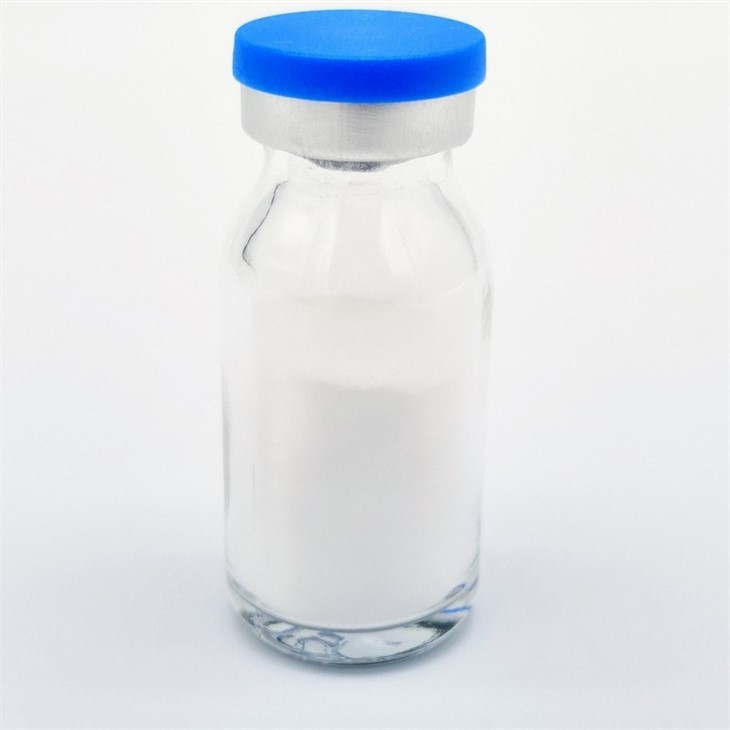

Strategies for B2B API Sourcing
To optimize veterinary API cost without compromising quality, buyers can:
- Compare Multiple Suppliers
Use consistent evaluation criteria for pricing, documentation, and quality to identify fair-value options.
- Negotiate Volume Discounts
Larger orders with reliable suppliers may reduce unit cost without sacrificing quality.
- Audit and Test Samples
Periodically test batches from suppliers to verify assay, impurity profile, and stability.
- Focus on Critical APIs
For key therapeutic agents, prioritize quality over cost. For less critical ingredients, cost-efficient alternatives can be considered if verified.
- Document Supplier Compliance
Maintaining records of certifications, COAs, and testing reports helps justify price differentials and supports regulatory audits.
Balancing Cost and Long-Term Value
Low-cost APIs may seem attractive, but the hidden risks-batch failures, regulatory issues, and compromised efficacy-often outweigh short-term savings. In contrast, sourcing higher-quality APIs ensures predictable performance, reduces risk of production disruption, and maintains compliance in international markets.
A strategic approach to B2B API sourcing considers both price and long-term value rather than focusing solely on cost.
Evaluating veterinary API cost against quality requires careful analysis, supplier verification, and consideration of total operational and regulatory impact. B2B buyers who apply structured cost-benefit analysis, audit suppliers, and prioritize reliable quality can make informed decisions, balancing efficiency, safety, and profitability in the animal health sector.