


Small Molecular Compounds for Human
Small Molecular Compounds
Your Professional Supplier for Human & Veterinary APIs
Your Professional Small Molecular Compounds Supplier
Xiamen Origin Biotech Co., Ltd., a certified 'State Hi-tech Enterprise,' specializes in the integration of R&D, manufacturing, and sales of human and veterinary APIs and intermediates. The company's product portfolio encompasses hormones, proteins and peptides, prostaglandins, small molecule compounds, and other APIs. These products are widely applied in the fields of reproduction, endocrinology, and gynecology.
Customized Services
Xiamen Origin provides tailored solutions for product development and R&D services for new products, aligning with specific customer demands.
Production Expertise
Our team possesses extensive experience in pharmaceutical manufacturing and is equipped with the technical expertise required to meet diverse client needs effectively.
Quality Assurance
We implement stringent quality control protocols at every stage, from raw material inspection to environmental monitoring, ensuring compliance with global standards.
GMP Infrastructure
Our 2,523 m² facility includes a 365 m² Class D cleanroom. The facility is constructed in strict adherence to GMP regulations for optimal conditions.


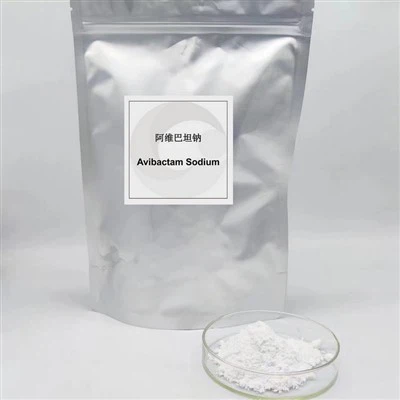


Small molecular compound APIs (Active Pharmaceutical Ingredients) for human use are chemical substances that possess therapeutic properties and are used as the active ingredients in pharmaceutical drugs. These compounds are typically organic molecules with a defined chemical structure and specific biological activity.
In this category, Origin Biotech has the products like Avibactam, Masitinib, Dexmedetomidine Hydrochloride, etc.
1. Avibactam
Avibactam is a small molecular compound that belongs to the class of β-lactamase inhibitors. It is used in combination with certain antibiotics to enhance their effectiveness against certain bacteria that produce β-lactamase enzymes. Avibactam inhibits these enzymes, which helps prevent bacterial resistance and allows the antibiotics to exert their antibacterial effects. It is commonly used in combination with ceftazidime to treat complicated urinary tract infections, hospital-acquired pneumonia, and intra-abdominal infections.
2. Masitinib
Masitinib is a small molecular compound that acts as a protein tyrosine kinase inhibitor. It is used for the treatment of certain cancers and inflammatory diseases. Masitinib inhibits the activity of specific enzymes called tyrosine kinases, which are involved in cell signaling pathways. By blocking these kinases, masitinib can interfere with the growth and survival of cancer cells or modulate immune responses in inflammatory conditions. It is primarily indicated for the treatment of gastrointestinal stromal tumors and mast cell tumors in dogs but has also shown potential in human clinical trials for conditions like amyotrophic lateral sclerosis (ALS) and systemic mastocytosis.
3. Dexmedetomidine Hydrochloride
Dexmedetomidine hydrochloride is a small molecular compound that acts as a selective alpha-2 adrenergic agonist. It is used as a sedative and anesthetic agent in medical settings. Dexmedetomidine works by binding to specific receptors in the brain, which leads to sedation, analgesia (pain relief), and reduced anxiety. It has a unique property of providing sedation without causing significant respiratory depression. Dexmedetomidine hydrochloride is commonly used in intensive care units and surgical procedures to induce and maintain sedation, as well as to provide pain management.
Welcome to inquire about human API products, please believe that Origin Biotech will provide you with high-quality products, preferential prices, and considerate services.
Parameter
| Molecular Formula | C28H30N6OS | C13H17ClN2 |
| Molar Mass | 498.64 | 236.74 |
| Density | 1.280±0.06 g/cm3(Predicted) | 1.17 g/cm³ |
| Melting Point | 90-95°C | 156.5-157.5°C |
| Appearance | Solid | Crystalline powder |
| Color | Off-White to Pale Beige | White to Off-White |
| PKa | 13.24±0.70(Predicted) | / |
| Storage Condition | Refrigerator | 2-8°C |
Benefits of Small Molecular Compounds For Human
Target Specificity and Selectivity: One of the paramount advantages of small molecular compounds is their ability to selectively target specific proteins or enzymes involved in disease pathology. This minimizes the impact on healthy cells, reducing the risk of off-target effects and associated toxicities commonly seen with traditional chemotherapeutic agents.
Oral Bioavailability and Administration: The small size and chemical nature of these inhibitors allow for oral bioavailability, making them more convenient for patients compared to intravenous or subcutaneous administration methods required for larger biological therapeutics.
Penetration and Distribution: Small molecular compounds can easily penetrate tissues and cross cellular barriers, including the blood-brain barrier (BBB). This ability is particularly beneficial in treating central nervous system (CNS) disorders and cancers.
Flexibility in Drug Design: The synthesis can be highly tailored through medicinal chemistry, allowing for optimization of their pharmacokinetic and pharmacodynamic properties. This facilitates the development of molecules with enhanced potency.
Cost-Effectiveness: Compared to biologic therapies, small molecular compounds are generally less expensive to manufacture and distribute. This cost-effectiveness makes them more accessible to a broader patient population.
Rapid Development and Approval: Their well-understood manufacturing processes, along with high-throughput screening for efficacy and toxicity, can accelerate the drug discovery and development timeline.
Applications
With their ability to target specific areas in the body and provide therapeutic benefits, small molecular compounds have become a vital part of drug development and can be used for a variety of roles, such as in:
Storage Considerations

Solubility: Determining solubility in different solvents is crucial for preparing solutions.

Stability: Some molecules are sensitive to light, air, or temperature, requiring specific storage conditions to prevent degradation.

Storage Environment: Appropriate storage temperatures, typically between 4°C and -20°C, are essential for maintaining compound integrity.
Packaging and Shipping
| Packaging | We have different sizes of glasses and Foil bags, you can request small separate packages or complete packages. |
| Shipping | Once your order has been placed, we will process it as soon as possible. We usually deliver the package by airfreight and insure your purchase against accidental damage and being shipped on time. |
Our Certifications


FAQ
Origin Biotech
Commitment to High-Quality Products and Considerate Services.
We're well-known as one of the leading small molecular compounds for human manufacturers and suppliers in China. If you're going to buy high quality small molecular compounds for human with competitive price, welcome to get more information from our factory. Also, customized service is available.
Avibactam Sodium, Avibactam, Dexmedetomidine HCL