


Human APIs
Your Professional Human APIs Supplier
Xiamen Origin Biotech Co., Ltd., a certified 'State Hi-tech Enterprise,' specializes in the integration of R&D, manufacturing, and sales of human and veterinary APIs and intermediates. The company's product portfolio encompasses hormones, proteins and peptides, prostaglandins, small molecule compounds, and other APIs. These products are widely applied in the fields of reproduction, endocrinology, and gynecology, catering to both human and veterinary requirements.
Customized Services
Xiamen Origin provides tailored solutions for product development and R&D services for new products, aligning with specific customer demands.
Extensive Expertise in Pharmaceutical Production
Our team possesses extensive experience in pharmaceutical manufacturing and is equipped with the technical expertise required to meet diverse client needs effectively.
Rigorous Quality Assurance Measures
We implement stringent quality control protocols at every stage of production, from raw material inspection to environmental monitoring, ensuring compliance with the highest industry standards.
Advanced Manufacturing Infrastructure
Our manufacturing facility spans a total area of 2,523 square meters, including a Class D cleanroom area of 365 square meters. The facility is designed and constructed in strict adherence to GMP regulations, ensuring optimal production conditions.




Human APIs
Active Pharmaceutical Ingredients for Human Use
Active Pharmaceutical Ingredients (APIs) for human use are the chemical substances or compounds that are responsible for the therapeutic effects in pharmaceutical drugs intended for human consumption. These APIs are the active components that interact with the body's physiological systems to produce a desired therapeutic outcome.
The products in Xiamen Origin Biotech Co., Ltd., there are three kinds of categories under Human APIs: Human Protein and Peptides, Human Prostaglandins, and Small Molecular Compounds for Human.
For the products in Human Protein and Peptides, there are Human Chorionic Gonadotrophin (HCG), Human Menopausal Gonadotrophin (HMG), Ulinastatin (UTI), etc.
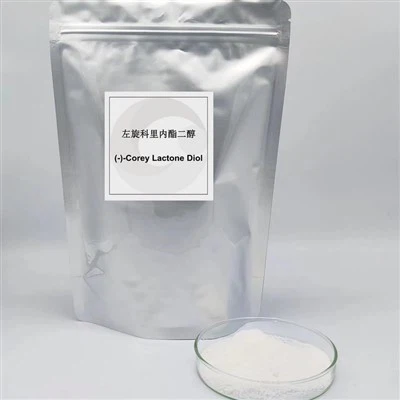
For the products in Human Prostaglandins, there are (-)-Corey Lactone Diol, Latanoprost, Travoprost, etc. Most APIs in this catalog can be used for making eye-drops and treating eye diseases after further processing.
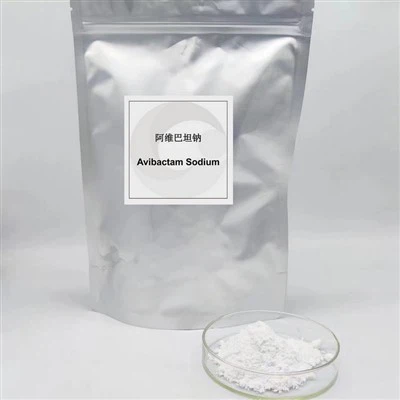
For the products in Small Molecular Compounds for Human, there are Avibactam Sodium, Dexmedetomidine Hydrochloride and so on.
Welcome to inquire about human API products, please believe that Origin Biotech will provide you with high-quality products, preferential prices, and considerate services.
Parameter

|
Molecular Formula |
C43H66N12O12S2 |
|
Molar Mass |
1007.19 |
|
Density |
1.1086 (rough estimate) |
|
Melting Point |
192-194°C |
|
Boiling Point |
1533.3°C at 760 mmHg |
|
Flash Point |
881.1°C |
|
Vapor Pressure |
0 mmHg at 25°C |
|
Appearance |
White or almost-white powder |
|
Storage Condition |
2-8°C, protected from light |
Types of Human APIs
The human APIs produced by our company mainly include the following types:

Human Protein and Peptides
Human proteins and peptides are both made of chains of amino acids linked by peptide bonds. The key difference is size; peptides are shorter chains, generally 2 to 50 amino acids long, while proteins are longer, often exceeding 100 amino acids.

Human Prostaglandins
Human prostaglandins are a group of lipid compounds, specifically a type of unsaturated fatty acid, that act as local signaling molecules in the body. They are produced in response to various stimuli, including tissue damage or inflammation, and play a crucial role in a wide range of physiological processes, including pain, inflammation, blood clotting, and digestion.

Small Molecular Compounds For Human
Small molecular compounds, often called small molecules or metabolites, are low-molecular-weight organic substances involved in various biological processes. They act as substrates or products in these processes and are typically within a mass range of 50 to 1500 daltons.
Applications of Human APIs

Drug Manufacturing
APIs are the foundation of pharmaceutical formulations. They are used to manufacture medicines in various forms, including tablets, capsules, syrups, and injectables. The pharmaceutical industry relies on APIs to create drugs for treating diseases such as diabetes, cardiovascular disorders, and infections.
Treatment of Diseases
APIs target specific biological pathways to treat illnesses. Different APIs are designed for different therapeutic areas, such as:
- ► Analgesics: APIs like ibuprofen relieve pain.
- ► Antidepressants: APIs like fluoxetine help manage mental health conditions.
- ► Anticancer Drugs: APIs like paclitaxel combat cancer cells.
- ► By tailoring APIs to specific medical conditions, pharmaceutical companies ensure that patients receive effective treatment.
Customized Medicine Development
APIs enable the development of personalized medicine, which tailors treatments to individual patients based on their genetic makeup. This is particularly useful in oncology and rare disease treatment, where one-size-fits-all solutions may not be effective.

Research and Development (R&D)
APIs are essential for pharmaceutical research. Scientists and researchers use APIs in preclinical and clinical trials to evaluate their safety, efficacy, and dosage. APIs play a significant role in discovering and testing new drugs to address emerging health challenges like COVID-19.
Production of Generic Drugs
Generic drugs, which are cost-effective alternatives to branded medications, rely on APIs. After the patent of a branded drug expires, other manufacturers can produce generic versions using the same API. This ensures affordable healthcare access without compromising quality.
Combination Therapies
APIs are often combined to create combination drugs that treat multiple symptoms or diseases simultaneously. These therapies are widely used in conditions like hypertension, diabetes, and HIV/AIDS.
Vaccines and Biologics
APIs are crucial in the production of vaccines and biologics, which are complex medicines derived from living organisms. They stimulate the immune system to prevent or treat diseases.
Key Differences Between Human APIs and Excipients
|
Aspect |
Human APIs (Active Pharmaceutical Ingredient) |
Excipient |
|
Function |
Produces the intended therapeutic effect |
Supports drug formulation, Stability, and Absorption |
|
Presence |
Found in small, precise amounts |
Often makes up the bulk of the drug |
|
Examples |
Paracetamol (Pain relief), Atorvastatin (Cholesterol-lowering) |
Fillers (Lactose), Binders (Starch), Preservatives |
|
Regulation |
Highly regulated for quality and potency |
Follows safety guidelines but with fewer restrictions |
The Manufacturing Process of Human APIs


Chemical Synthesis
- ► Raw Material Selection: The initial stage involves the meticulous choice of raw materials, taking into account their quality, purity, and suitability for the desired chemical synthesis.
- ► Chemical Reactions: Specialized chemical reactions are conducted with the purpose of converting the chosen raw materials into the appropriate Active Pharmaceutical Ingredient (API). The aforementioned reactions are carefully regulated in order to guarantee the precise development of the desired molecular configuration.
- ► Purification: Purification involves subjecting the initial product derived from chemical reactions to a series of processes, namely crystallisation, filtering, and chromatography, with the aim of isolating the active pharmaceutical ingredient (API) and eliminating any impurities present.
Fermentation
Microbial fermentation procedures employing certain microorganisms are utilized for the production of certain Active Pharmaceutical Ingredients (APIs). Nutrient-rich conditions are established with the purpose of promoting the growth and metabolic processes of these microorganisms, ultimately leading to the synthesis of the required (API) Active Pharmaceutical Ingredient.
Isolation and Refinement
Following the process of synthesis or fermentation, the Active Pharmaceutical Ingredient (API) undergoes a procedure of isolation and subsequent refinement in order to get the desired level of purity and quality. In this stage, a range of methods, including distillation, crystallisation, and drying, are utilised.
Formulation and Finalization
Formulation and finalization involve the incorporation of suitable excipients into the separated API, resulting in the production of the ultimate dosage forms. These forms are subsequently prepared for packaging and distribution to pharmaceutical businesses, where additional processing takes place.
Packaging and Shipping
|
Packaging |
We have different sizes of glasses and Foil bags, You can request small separate packages or complete packages. |
|
Shipping |
Once your order has been placed, We will process it as soon as possible. We usually deliver the package by airfreight and insure your purchase against accidental damage and being shipped on time. |
Our Certifications


FAQ
Q: What is a human active pharmaceutical ingredient (API)?
A: A human API is a substance that is the key component in a pharmaceutical drug used for treating, preventing, or diagnosing diseases in humans. It is the part of the drug that exerts the therapeutic effect. For example, paracetamol in pain-relieving medications is an API.
Q: How are human APIs different from APIs for veterinary use?
A: Human APIs are formulated and tested specifically for use in humans, taking into account human physiology, metabolism, and safety requirements. Veterinary APIs are designed for animals, considering their unique biological characteristics. Dosages, formulations, and potential side-effects can vary greatly. For instance, the same antibiotic may have different formulations and dosages for humans and dogs.
Q: What are the main sources of human APIs?
A: They can be sourced from natural products like plants (eg, morphine from the opium poppy for pain management), animals (such as heparin from animal intestines for anticoagulation), or synthesized chemically in a laboratory. Additionally, some are produced through biotechnology methods, like insulin made by recombinant DNA technology in bacteria or yeast.
Q: Can human APIs be used without a prescription?
A: Most human APIs are part of prescription-only medications due to their potential risks and the need for proper medical supervision. However, some over-the-counter drugs contain APIs that are considered safe for self-administration at recommended doses, like the anti-histamine diphenhydramine in some allergy relief medications.
Q: How do human APIs interact with the human body?
A: APIs interact with specific receptors, enzymes, or other biological targets in the body. For example, beta-blockers used for heart conditions bind to beta-adrenergic receptors, blocking the effects of adrenaline and noradrenaline, thereby reducing heart rate and blood pressure.
Q: What is the shelf-life of human APIs?
A: The shelf-life varies depending on the API. Some stable APIs may have a shelf-life of several years, while more sensitive ones may have a shorter shelf-life, perhaps a few months to a year. The shelf-life is determined through stability testing, which assesses how the API's quality changes over time under different storage conditions.
About Origin Biotech
Origin Biotech is committed to providing premium bioactive components and technological insights with scientific validation for use in pharmaceutical, nutraceutical, and research applications. Our Knowledge platform provides professionals with trustworthy, lucid information about substances like Human APIs.
Interested in Human API Products for Your R&D or Development?
We are able to offer:
To find out how our Human APIs can fit into your next innovation pipeline, get in touch with our team.
We're well-known as one of the leading human apis manufacturers and suppliers in China. If you're going to buy high quality human apis with competitive price, welcome to get more information from our factory. Also, customized service is available.